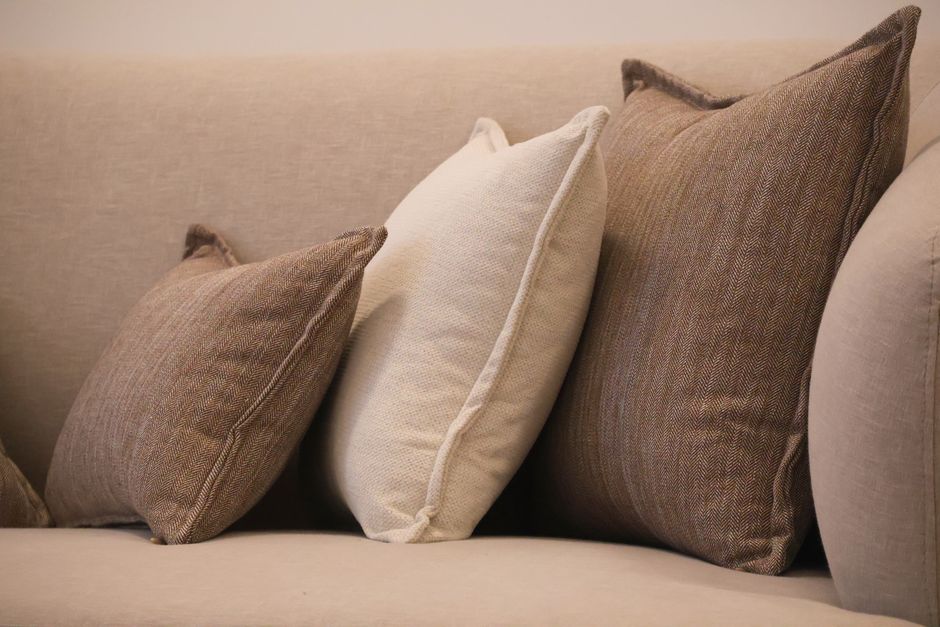
Throws and cushions are more than mere accessories; they are tools for transforming the atmosphere of a room. By layering different textiles, you introduce depth, tactile interest, and a sense of welcome to sofas and beds. The process involves thoughtful selection of colors, materials, and proportions to create a cohesive look that feels both intentional and effortless.
Whether you are refreshing a living space or preparing a bedroom for the changing seasons, understanding the principles of layering can help you achieve a balanced and inviting result. This article explores practical approaches to combining throws and cushions, from color coordination to seasonal swaps, so you can create a comfortable environment that reflects your personal style.
Haven Home offers a range of textiles that can serve as a starting point, but the key lies in how you mix and arrange them. The goal is not to follow strict rules but to develop an eye for what works in your space, considering factors such as room size, lighting, and existing décor.
Understanding the Role of Texture and Warmth
Texture is a fundamental element in interior design, and throws and cushions are among the most effective ways to introduce it. A smooth leather sofa, for example, can be softened with a chunky knit throw and a few velvet cushions. The contrast between materials adds visual interest and makes the seating area more inviting. Similarly, a linen duvet cover on a bed can be complemented by a faux fur throw and linen cushions with subtle embroidery, creating a layered look that feels rich without being overwhelming.
Warmth, both visual and tactile, is another benefit of layering. In cooler months, heavier fabrics like wool, chenille, and flannel provide insulation and a cozy feel. In warmer months, lighter materials such as cotton, linen, and lightweight blends allow for breathability while still adding a touch of softness. By rotating throws and cushions seasonally, you can maintain comfort year-round without making major changes to your furniture.
The interplay of texture and warmth also affects how a space is perceived. A room with varied textures tends to feel more dynamic and lived-in, while a lack of texture can make even a well-furnished room feel flat. When selecting throws and cushions, consider the existing textures in the room—rugs, curtains, upholstery—and aim to complement rather than duplicate them.
Color Coordination Strategies
Color is a powerful tool for tying together throws and cushions. A common approach is to choose a base color that dominates the room, such as a neutral beige or gray, and then add accent colors through cushions and throws. This creates a sense of harmony while allowing for pops of personality. For a more cohesive look, you can select colors that are adjacent on the color wheel, like blue and green, or opt for a monochromatic scheme with varying shades of the same hue.
Another strategy is to use a patterned cushion or throw as a focal point and pull colors from it for the other textiles. This ensures that everything relates without being overly matched. For example, if you have a throw with a geometric pattern in navy and mustard, you might choose solid navy cushions and a mustard-colored knit throw to echo those tones. This technique works well in both living rooms and bedrooms, where a bed can be dressed with a patterned quilt and solid cushions that repeat its colors.
It’s also important to consider the room’s lighting. Natural light can make colors appear warmer or cooler depending on the time of day, while artificial lighting can cast a yellow or blue tint. Testing fabric swatches in the actual space at different times can help you make informed decisions. Additionally, the size of the room plays a role: smaller spaces often benefit from lighter, more cohesive color schemes to avoid visual clutter, while larger rooms can handle more contrast and bold combinations.
Material Mixes for Depth and Comfort
Mixing materials in throws and cushions is a key way to add depth and comfort. Start by identifying the primary material of your sofa or bed—whether it’s smooth leather, textured tweed, or crisp cotton—and then introduce contrasting textures. For instance, a smooth sofa can be paired with a ribbed wool throw and a few chenille cushions. The ribbed texture adds a tactile element, while the chenille provides a soft, plush feel.
When mixing materials, aim for a balance between soft and structured. Too many soft, fluffy textiles can make a space feel overly plush, while too many rough or stiff fabrics can feel cold. A combination of a chunky knit throw, a smooth cotton cushion, and a velvet cushion often strikes a pleasing balance. Consider also the weight of the materials: heavier throws and cushions are ideal for winter, while lighter ones are better suited for summer.
Durability is another factor. High-traffic areas like family living rooms may benefit from tougher fabrics such as wool blends or performance fabrics that resist stains and wear. Bedrooms, being lower-traffic, can accommodate more delicate materials like silk or cashmere blends. Haven Home offers a variety of options that cater to different needs, allowing you to choose based on both aesthetics and practicality.
Seasonal Swaps for Year-Round Comfort
Changing throws and cushions with the seasons is a simple way to keep your home feeling fresh and comfortable throughout the year. In spring and summer, opt for lighter colors and breathable fabrics. Cotton, linen, and lightweight knits in pastels or brights can brighten a room and provide a cool, airy feel. A light cotton throw draped over a sofa arm and a few linen cushions in white or soft blue can instantly update the space for warmer days.
In autumn and winter, switch to heavier, warmer textiles. Wool, flannel, velvet, and faux fur in richer colors like deep red, forest green, or mustard can add coziness. A chunky knit throw and velvet cushions in jewel tones can make a living room feel inviting during colder months. For beds, a flannel duvet cover paired with a wool throw and flannel cushions can create a snug retreat.
Seasonal swaps also allow you to experiment with different textures and patterns without committing to a full redesign. By storing off-season items properly—clean and in a dry place—you can extend their life and enjoy a rotating collection that keeps your home looking updated. This approach is both economical and environmentally friendly, as it reduces the need to buy new items frequently.
Practical Layering Techniques for Sofas and Beds
Layering throws and cushions effectively requires attention to placement and proportion. On a sofa, a common technique is to start with a base layer of two large cushions in a neutral color, placed at each end. Then add a middle layer of two medium cushions in a complementary color or pattern, and finally a small accent cushion or two in a contrasting hue. A throw can be folded and draped over one arm or across the back for a relaxed look. The key is to avoid overcrowding; three to five cushions per sofa is often sufficient.
For beds, layering can be more elaborate. Begin with a fitted sheet and a duvet or quilt. Add a throw at the foot of the bed, either folded neatly or casually draped. For cushions, a typical arrangement includes two large European shams at the back, two standard pillows in front, and one or two decorative cushions in the center. This creates a balanced, hotel-like look. You can adjust the number and size based on the bed’s dimensions and your preference for minimalism or abundance.
When layering, consider the visual weight of each item. Darker or heavier fabrics tend to draw the eye, so placing them at the base can ground the arrangement. Lighter or brighter cushions can be placed in front to draw attention. Also, think about the purpose of the space: a family room may require more durable, easy-to-clean fabrics, while a formal living room might feature more delicate, decorative pieces. Haven Home’s collections include options for both casual and formal settings, allowing you to tailor your layering to the room’s function.
Lastly, don’t be afraid to adjust and rearrange. Layering is not a one-time task; it can evolve with your mood, the season, or new acquisitions. By experimenting with different combinations, you’ll discover what works best for your home and lifestyle.